Nichupté Bridge Cancun: opening date, length and what it connects
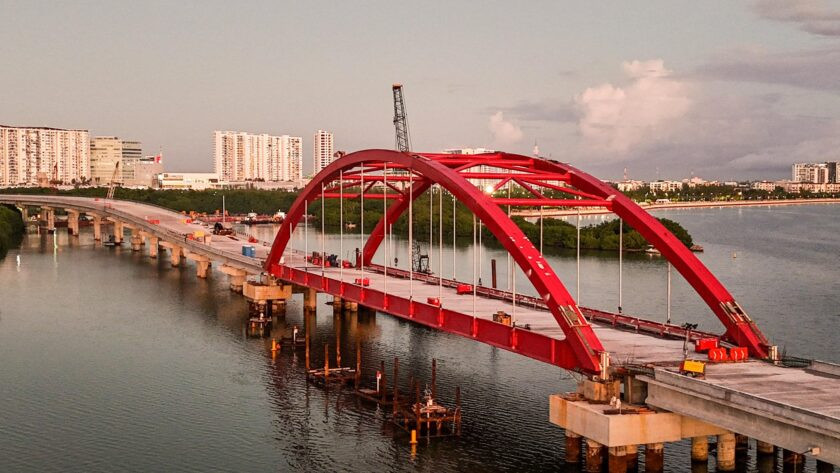
Nichupté Bridge Cancun
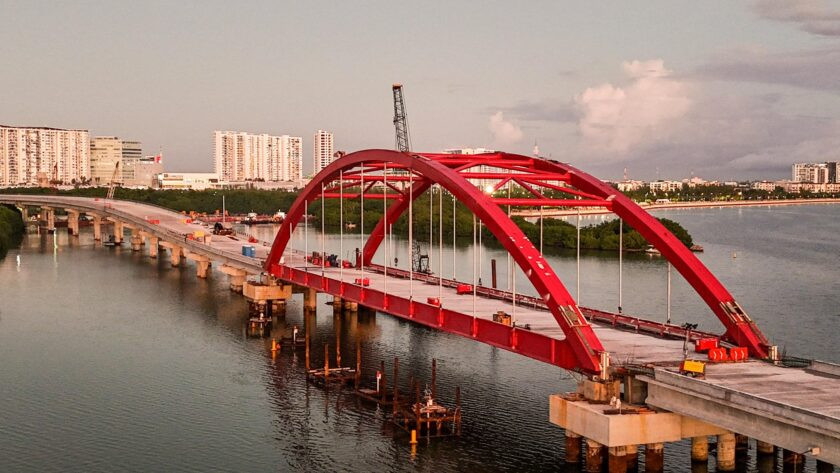
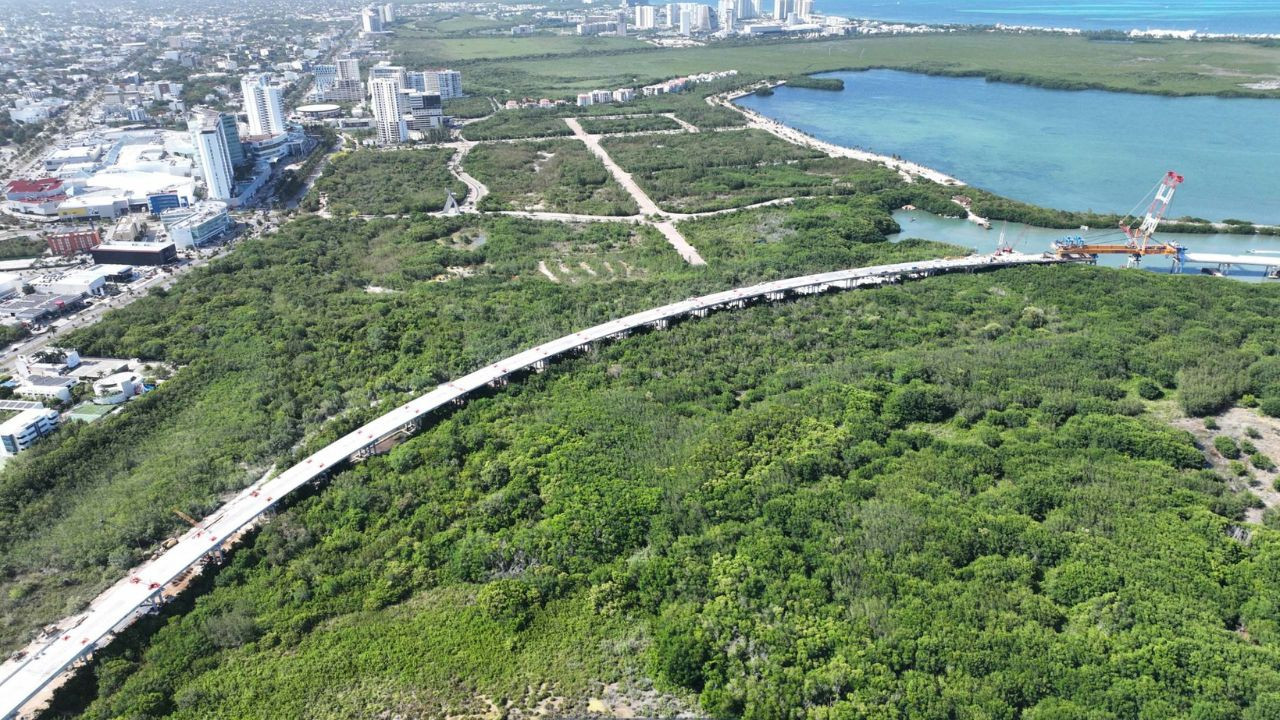
The Nichupté Bridge in Cancun is one of the most important road infrastructure projects for both local mobility and tourism in the city. This new bridge crosses the Nichupté Lagoon and will create a faster connection between Cancun’s urban area and the Hotel Zone.
For travelers, this project is especially relevant because it adds a new route toward Boulevard Kukulcán, one of the busiest corridors in Cancun. Visitors arriving from Cancun International Airport, downtown Cancun or main avenues such as Colosio, Kabah, Tulum and Bonampak may benefit from a more direct access to certain areas of the Hotel Zone.
In a destination where traffic can increase during holidays, high season, events and peak travel hours, the Nichupté Bridge is expected to become a key alternative for residents, tourists, private transportation services and emergency routes.
Quick facts about the Nichupté Bridge
- Opening date: May 3, 2026
- Total length: 11.2 kilometers
- Main bridge section: 8.8 kilometers over Nichupté Lagoon
- Connects: Boulevard Luis Donaldo Colosio / Avenida Kabah with Boulevard Kukulcán at km 13
- Lanes: 3 lanes, including one reversible lane
- Includes: bike lane, lighting and road access points
When will the Nichupté Bridge open?
The Nichupté Bridge in Cancun is scheduled to open on May 3, 2026. Its opening is expected to mark a major change in the way people move between Cancun’s city area and the Hotel Zone.
The bridge is designed to provide an additional route to Boulevard Kukulcán, helping reduce pressure on traditional access points. This can be especially useful during busy travel periods, when traffic toward Cancun’s hotels, beaches, restaurants and shopping areas tends to increase.
How long is the Nichupté Bridge?
The Nichupté Bridge has a total length of 11.2 kilometers. Of that distance, approximately 8.8 kilometers correspond to the main bridge section over Nichupté Lagoon, while the remaining distance is part of the road access and connection areas.
Because of its length and strategic location, this bridge is considered one of the most relevant infrastructure projects in southeastern Mexico. It is also expected to improve the travel experience for visitors who need to move between the airport, downtown Cancun and the Hotel Zone.
What does the Nichupté Bridge connect?
The new bridge connects Cancun’s urban area with the Hotel Zone. Its main access starts near Boulevard Luis Donaldo Colosio and Avenida Kabah, and it reaches Boulevard Kukulcán around kilometer 13.
In practical terms, this means travelers and residents will have a new route to reach hotels, beaches, shopping centers, restaurants and tourist attractions in the Hotel Zone without depending only on the traditional entrances.
This connection is important because Boulevard Kukulcán is one of Cancun’s most visited areas. Many hotels, beach clubs, nightlife spots, marinas and attractions are located along this avenue.
Before and after the Nichupté Bridge
| Before | With the Nichupté Bridge |
|---|---|
| Limited access to the Hotel Zone through traditional routes | New direct connection to Boulevard Kukulcán at km 13 |
| Heavier traffic during high season and peak hours | Better traffic distribution between the city and the Hotel Zone |
| Longer travel times from the city area | Alternative route toward hotels, beaches and tourist areas |
| More pressure on Boulevard Kukulcán access points | Additional option for tourists, locals and transportation services |
Why is the Nichupté Bridge important for tourists?
For travelers arriving in Cancun, the Nichupté Bridge may improve the overall transportation experience. By creating a new route to the Hotel Zone, travel times could become more efficient depending on traffic conditions, hotel location and the time of day.
This can be especially helpful for visitors staying near the central area of the Hotel Zone, around Boulevard Kukulcán km 13 or nearby zones. It may also benefit travelers going to restaurants, shopping centers, marinas, beaches, tours and nightlife areas.
However, even with this new route, it is still important to plan transportation in advance. Cancun is a busy destination, and airport arrivals can be crowded during weekends, holidays and vacation seasons.
Travel faster and more comfortably in Cancun
Book your private Cancun Airport Transportation and enjoy a safe, comfortable ride to your hotel, the Hotel Zone, Puerto Juárez, Playa Mujeres, Costa Mujeres, Playa del Carmen or Tulum.
Book Cancun Airport TransportationHow the Nichupté Bridge may improve Cancun Airport transfers
The Nichupté Bridge is expected to become a strategic route for private transportation services in Cancun. For visitors arriving at Cancun International Airport, this new connection may help improve access to certain parts of the Hotel Zone.
The exact impact will depend on how traffic is managed after the opening, the final route operation and the location of each hotel. Still, the bridge gives transportation providers another option when planning routes from the airport to Cancun’s most visited areas.
For tourists, this can mean a smoother arrival experience, especially when combined with a private transfer booked in advance. Instead of waiting in long airport lines or negotiating transportation after landing, travelers can have a vehicle ready and a planned route to their destination.
Key benefits of the Nichupté Bridge
- Creates a new access point to Cancun’s Hotel Zone.
- Improves connectivity between the city and Boulevard Kukulcán.
- Helps reduce pressure on traditional Hotel Zone entrances.
- Supports tourism, local mobility and emergency access routes.
- Includes a reversible lane to improve traffic flow during peak hours.
- Adds a scenic route over the Nichupté Lagoon.
- May improve travel planning for airport transfers and private transportation services.
Will the Nichupté Bridge be free?
According to current public information, the Nichupté Bridge is expected to operate as a public road connection. Travelers should still check local updates after the official opening, especially during the first weeks of operation.
During the initial period, traffic patterns may change as drivers, transportation companies and local authorities adapt to the new route.
What travelers should know before using the Nichupté Bridge
Once the bridge opens, tourists should remember that the fastest route may vary depending on traffic, weather, hotel location and time of arrival. Cancun can experience heavy traffic during check-in hours, evening activities and popular vacation dates.
For this reason, booking a reliable private transfer remains one of the easiest ways to move around Cancun. Professional transportation providers can monitor routes, plan pickup times and help travelers reach their destination with less stress.
Conclusion
The Nichupté Bridge in Cancun is more than a road project. It is a major mobility improvement that connects the city with the Hotel Zone, supports tourism and creates a new way to move across one of Mexico’s most visited beach destinations.
If you are planning a trip to Cancun, this new route may improve the way you travel between the airport, downtown Cancun and the Hotel Zone. For the best experience, consider booking reliable private transportation in advance.
Arriving in Cancun soon?
Make your trip easier with safe, private and comfortable airport transportation.
Reserve Your Transfer NowFrequently Asked Questions about the Nichupté Bridge
When will the Nichupté Bridge open?
The Nichupté Bridge is scheduled to open on May 3, 2026.
How long is the Nichupté Bridge?
The project has a total length of approximately 11.2 kilometers, including 8.8 kilometers of main bridge over Nichupté Lagoon.
What does the Nichupté Bridge connect?
It connects Cancun’s urban area, near Boulevard Colosio and Avenida Kabah, with the Hotel Zone at Boulevard Kukulcán around kilometer 13.
Will the Nichupté Bridge help reduce traffic in Cancun?
Yes. The bridge is designed to offer an alternative route to the Hotel Zone and improve traffic flow in Cancun.
Does the Nichupté Bridge cross the lagoon?
Yes. The main section crosses Nichupté Lagoon, one of Cancun’s most recognized natural areas.
How many lanes does the Nichupté Bridge have?
The project includes three traffic lanes, including one reversible lane to improve mobility during peak hours.
Will the bridge be useful for Cancun Airport transfers?
Yes, especially for travelers going to certain areas of the Hotel Zone. The exact benefit will depend on hotel location, traffic conditions and route operation.
Where does the bridge arrive in the Hotel Zone?
The bridge connects with Boulevard Kukulcán around kilometer 13, near one of the central areas of Cancun’s Hotel Zone.
Is the Nichupté Bridge only for tourists?
No. The bridge benefits both residents and visitors by improving connectivity between the city and the Hotel Zone.
Should I still book private transportation in Cancun?
Yes. Private transportation remains one of the easiest and most comfortable ways to travel from Cancun Airport to your hotel, especially during busy seasons.